Making Enrichment Genuinely for All


Ormiston Trust has welcomed the Department for Education’s new enrichment framework and benchmarks, published in June 2026, as an important step towards making enrichment a stronger part of every young person’s education.
The new benchmarks give schools and colleges a clearer structure for planning, reviewing and improving enrichment. They encourage leaders to look beyond the number of clubs or activities on offer and ask whether provision is broad, inclusive, well planned, shaped by pupils and staff, connected to partners and reviewed over time.
Ormiston Trust has been closely involved in this national agenda as an early supporter and active partner in Enrichment for All, working with national partners through a coalition of around 200 organisations across education, youth, sport, arts and community sectors. The Department for Education’s benchmarks were informed by the Enrichment for All report, which drew on consultation with school and community leaders and young people.
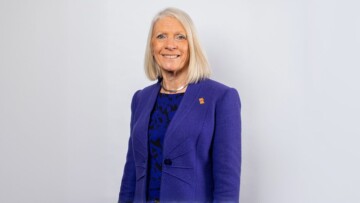
Dr Aneela Bukhari, Head of Education and Programmes at Ormiston Trust, said:
“The benchmarks give schools a clearer shared language for enrichment. The next task is making sure that language translates into access, quality and young people’s real influence over what is offered.”
The benchmarks are a welcome addition because they can help schools and colleges audit current provision, identify gaps, target pupils at risk of missing out, strengthen partnerships and track improvement over time. They also help place enrichment more firmly within discussions about attendance, belonging, skills, wellbeing and opportunity.
For Ormiston Trust, this builds on a wider commitment to enrichment, youth voice and opportunity across schools, charities and community partners in the Ormiston network.
Alongside its national work through Enrichment for All, Ormiston Trust is supporting practical delivery through its Youth-Driven Enrichment Programme for primary and secondary schools within the OT network. The programme supports schools to place young people at the heart of enrichment by giving them a meaningful role in shaping, delivering and evaluating activities.
Through the programme, schools are supported to create or develop student leadership groups focused on enrichment. Young people help review current provision, identify gaps, co-design new activities and contribute to evaluation. The programme also requires student-led delivery of at least one new co-designed enrichment activity, with students producing an evaluation report and recommendations for what should happen next.
Ormiston Trust believes that this practical link between national policy and local delivery will be important as schools and partners begin using the benchmarks. The framework provides a useful shared language, but there remain significant issues to resolve if every young person is to access high-quality enrichment.
These include ensuring that pupils most likely to miss out can participate; focusing on the quality and inclusiveness of experiences, not only the volume of activities; recognising the staff time, partner capacity and funding needed for sustainable delivery; and giving young people structured influence over what is offered and how success is judged.
Over the coming year, Ormiston Trust will support participating network schools to test youth-led approaches, gather learning and share practical examples that can help others strengthen enrichment.
The ambition is clear: enrichment should not be a privilege accessed by some. It should be a meaningful part of every young person’s education, shaped with them, designed around real barriers and sustained through strong partnerships.